
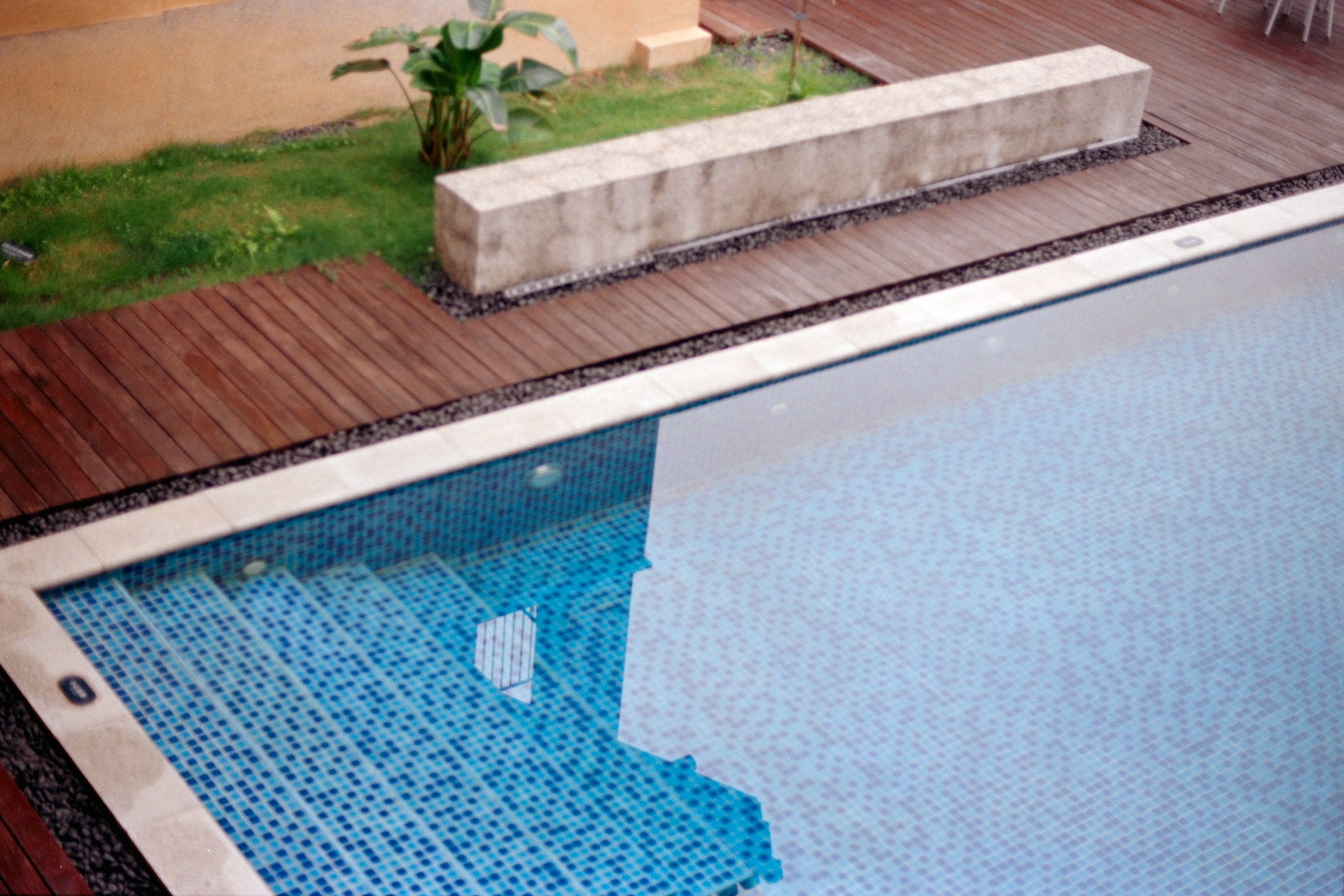
If you have noticed a crack running along your pool wall or steps, you are probably wondering whether it is cosmetic or something worse. Pool structural repair in Johns Creek, GA is a common concern for homeowners with concrete and gunite pools built during the area's building boom in the 1990s and 2000s. Those pools are now old enough that shell movement, plumbing wear, and deck settlement show up regularly.
Atlanta Leak Pros has spent over 13 years working hands-on with concrete pools across the metro. That in-house experience matters when a homeowner needs a straight answer about whether a crack is surface-deep or threatens the shell itself.
In this guide, you will learn how to tell a structural crack from a surface one, what causes shell damage in North Fulton County soil, how professionals diagnose the problem, and what repairs actually cost.
When a Pool Crack Signals Shell Damage
A crack that keeps growing, gaps that open under light pressure, or water that escapes tells you the shell has moved. Not every crack means trouble, but some are a clear warning.
How to Tell if a Pool Crack Is Structural
Structural cracks usually run wider than a hairline, often more than 1/8 inch, and they tend to follow straight lines rather than random spider patterns. You can often feel a step or offset on either side of the crack with your fingertip, which means the concrete has actually shifted. A crack that reappears after patching, or one that shows up near stairs, corners, or the deep end wall, deserves a closer look.
Warning Signs That Need Prompt Attention
Some signs move a crack from "watch it" to "call someone now." Homeowners in Johns Creek should treat these as priorities:
- Water level dropping more than an inch every few days with no evaporation explanation
- Cracks that widen visibly over a few weeks
- Cracks paired with a hollow or spongy feel underfoot on the pool deck
- Tile popping loose near the crack line
- Damp soil or erosion near the pool shell on the outside
Any one of these on its own is worth a call. Two or more together usually mean the shell or plumbing beneath it needs attention soon.
Surface Cracks vs. Cracks That Leak
Surface cracks stay thin, don't grow, and rarely lose water. Leaking cracks usually run through the shell and connect to rebar or plumbing lines, which means water finds a path out. The difference determines whether you need simple pool crack repair or a deeper pool structural repair. Once you know which kind you're dealing with, the next question is why it happened in the first place.
Why Johns Creek Pools Crack, Shift, and Leak
Most structural problems in Johns Creek pools trace back to the area's clay-heavy soil and the age of pools built two or three decades ago. Understanding the cause helps you avoid repeating the same repair every few years.
Seasonal Clay Movement and Moisture Changes
Georgia's red clay expands when saturated and contracts hard during dry spells, and that constant push and pull stresses the pool shell. This cyclical shrink-swell behavior is a well-documented cause of structural stress nationally: expansive clay soils place repetitive stress on structures as they absorb and release moisture, with the worst damage occurring where moisture content swings the most, exactly the pattern Georgia's wet springs and dry summers create.
Johns Creek sits on this same clay base, so pools built without deep footings or proper rebar spacing feel it more than newer construction. Over a decade or two, that seasonal swelling and shrinking often becomes the root cause of cracks that keep coming back after cosmetic patching.
Drainage, Deck Settlement, and Coping Separation
Poor drainage around the pool deck lets water pool against the shell instead of running off, which speeds up soil movement underneath. When the deck settles unevenly, coping stones separate from the pool edge and create gaps that let water and debris underneath the structure.
This kind of settlement often shows up as a step or dip near the pool's edge, and it usually means the soil beneath has already shifted.
Leaks Around Skimmers, Returns, and Light Niches
Cracks don't only start in the shell. Fittings like skimmers, return jets, and light niches are common failure points because they sit at concrete seams where stress concentrates.
A leak here can mimic a structural crack, but it's often an underground pool plumbing repair issue instead. Telling these apart takes more than a visual check, which is exactly why a proper diagnosis matters before anyone starts cutting into concrete.
How Structural Damage Is Diagnosed Before Repairs Begin
A reliable diagnosis starts with measuring the crack itself, not guessing from a photo or a quick walk-around. Skipping this step is how homeowners end up paying for the wrong repair twice.
Documenting Crack Location, Width, and Movement
Technicians start by measuring crack width, tracking its path, and checking whether it crosses a stress point like a step or corner. Photos taken over several weeks can show if the crack is actively widening or staying stable. This record becomes the baseline for deciding between epoxy injection and a more involved pool structural repair.
Pressure Testing Plumbing and Locating Hidden Leaks
Before assuming a crack is losing water, technicians pressure-test the plumbing lines to rule out a broken pipe. Pool leak detection equipment can trace water loss through skimmer lines, return lines, and main drains without tearing up the deck first. If the plumbing tests clean but water is still dropping, that points back to the shell itself.
- Pressure test each plumbing line separately to isolate the leak
- Use dye testing near fittings, lights, and skimmers to confirm suspect spots
- Check water loss rate against evaporation to rule out normal seasonal loss
- Inspect visible cracks for movement before recommending injection or staples
When an Engineer Should Evaluate the Pool Shell
Large cracks, cracks affecting more than one wall, or any sign of bowing call for a structural engineer's opinion before repair work starts. This step protects the homeowner from paying for a fix that won't hold if the underlying soil or footing is still moving. Once the cause and scope are confirmed, the actual repair method becomes a much simpler decision.
Repair Options for Cracked Concrete and Gunite Pools
The right repair depends on whether the crack is stable or still moving, and Atlanta-area contractors generally choose from a short list of proven methods. Choosing the wrong one can turn a $600 fix into a $6,000 do-over.
Epoxy Injection for Stable Hairline Fractures
Epoxy injection works well for hairline cracks that have stopped moving and aren't tied to a plumbing failure. The epoxy bonds into the crack and seals it from the inside, restoring a watertight surface without disturbing the surrounding shell. This method suits many pool crack repair jobs in Johns Creek where the shell itself is sound but a seam has opened up.
Stapling and Reinforcing Active Shell Cracks
Cracks that are still moving or show signs of shell displacement need mechanical reinforcement, not just epoxy. Stainless steel staples placed roughly every 12 inches along the crack, paired with epoxy injection, hold the concrete together while sealing the gap. This staple-and-epoxy combination is considered one of the more durable fixes for active gunite or concrete cracks.
Plaster, Tile, Coping, and Deck Restoration
Once the crack itself is sealed, the surrounding finish usually needs attention too. Concrete pool resurfacing replaces damaged plaster; tile near the crack often needs resetting, and coping stones that separated during settlement need to be reset or replaced. Skipping this step leaves a pool structurally sound but cosmetically patched, which rarely satisfies homeowners paying for a full repair.
Can a Cracked Pool Be Repaired Underwater?
Some minor leaks and small cracks can be treated without fully draining the pool, using underwater epoxy formulated to cure in wet conditions. Full structural repairs involving staples or shell reinforcement typically require draining, since the crack needs to be dry and accessible. Once you know which repair path fits your crack, the next practical question is what it will actually cost.
What Repairs Cost and When to Schedule Them
Pool repair costs in Johns Creek generally range from $200 for minor fixes up to $2,500 for more extensive work. Structural work involving shell reinforcement or major resurfacing tends to fall at the higher end of that range, while a single stable crack sealed with epoxy costs less.
What Affects the Price of Structural Pool Work
Several factors push the price up or down on any given job:
- Crack length, width, and whether it's actively moving
- Whether draining the pool is required before work begins
- How much plaster, tile, or coping needs to be restored afterward
- Access to the crack location, especially near steps or deep-end walls
- Whether underground pool plumbing repair is needed alongside the shell fix
Getting a written estimate that breaks down labor, materials, and finish work helps you compare quotes accurately.
Repairing a Crack Now vs. Waiting for a Larger Failure
Sealing a stable hairline crack today often costs a fraction of what the same crack costs after two more seasons of clay movement. Waiting lets water intrusion reach rebar, which corrodes and expands, turning a simple pool crack repair into a full pool structural repair. Georgia's freeze-thaw cycles, though milder than northern states, still stress an open crack every winter.
Questions to Ask Before Approving a Repair Plan
Before signing off on any repair, ask the contractor these questions:
- Is this crack stable, or is it still moving?
- Will the repair include staples, epoxy, or both?
- Does the quote include plaster or tile restoration after the structural fix?
- Does the quote include a plumbing pressure test, or just a visual inspection?
- What's the expected lifespan of this specific repair method?
Clear answers to these questions tell you whether a contractor is diagnosing the real problem or just patching the surface.
Frequently Asked Questions
How can I tell if a crack in my pool is structural?
Structural cracks are usually wider than a hairline, follow a straight line, and may have a visible step where one side sits higher than the other. If the crack keeps growing over several weeks or leaks water, treat it as structural and get it inspected.
Can a cracked concrete pool be repaired?
Yes, most cracked concrete and gunite pools can be repaired without full replacement. Stable cracks respond well to epoxy injection, while active or wider cracks typically need staples combined with epoxy to hold the shell together long-term.
Can a pool crack be repaired underwater?
Small, stable leaks can sometimes be sealed with underwater-curing epoxy without draining the pool. Larger structural cracks that need staples or shell reinforcement usually require draining, so the area stays dry during the repair.
How much does structural pool repair cost in Johns Creek, GA?
Pool repairs in the Johns Creek area generally range from $200 for minor work up to $2,500 for more extensive structural or plumbing repairs. The exact price depends on crack size, whether draining is needed, and how much plaster or tile work follows.
Should I drain my pool if I notice a structural crack?
Not immediately, but stop refilling the pool and call for a diagnosis before the crack gets worse. A professional inspection determines whether draining is needed for the chosen repair method.
Can deck cracks mean the pool shell is moving?
Yes, deck cracks near the pool edge often signal the same soil movement affecting the shell underneath. If deck cracks appear alongside coping separation or an uneven step at the pool's edge, have the shell checked at the same time.
A Lasting Repair Starts With the Real Cause
Homeowners who treat the symptom, patching a crack without checking for a leak underneath, often end up paying for the same repair twice.
A proper pool structural repair addresses drainage around the deck, confirms the plumbing is sound, and reinforces the shell where it has actually shifted. That combination of steps, not any single product or patch, is what keeps a Johns Creek pool watertight through the next decade of Georgia weather.
Ready to stop guessing and start fixing? Atlanta Leak Pros will inspect your pool and give you a clear, honest estimate at no cost.
Free estimates on leak detection and repair across metro Atlanta. Mention the promotion for $25 off leak repairs.