
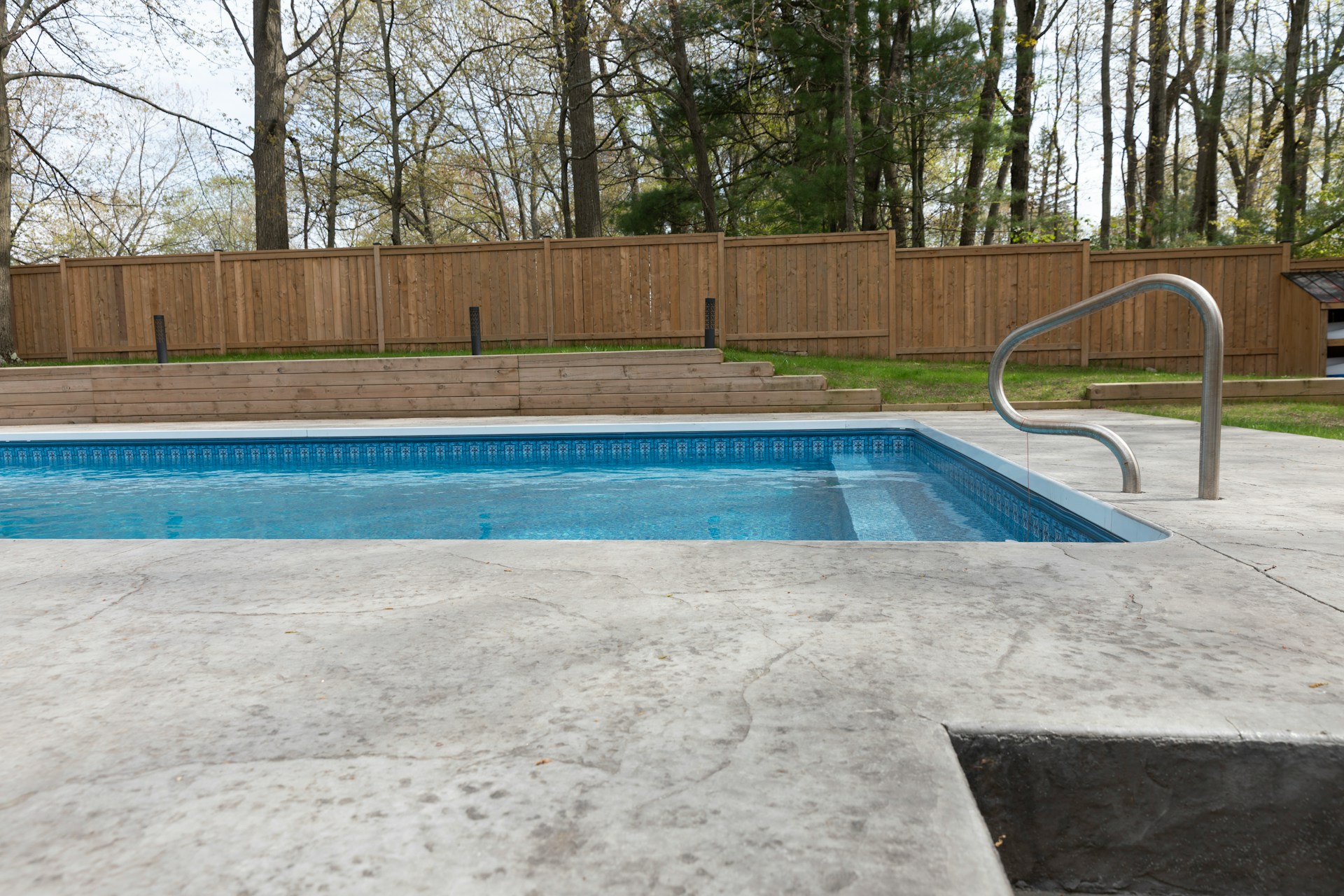
Your Johns Creek pool has been losing water, showing rough patches along the shell, or sitting with a surface that looks more like a construction site than a backyard retreat. Whether you noticed a crack near the steps last summer or your water bill has quietly climbed month after month, something is telling you the pool needs attention before you lose another season to the problem.
Atlanta Leak Pros has spent 13 years working on concrete pools across Johns Creek, Alpharetta, Roswell, and Marietta. The team handles everything in-house, from the initial leak inspection through crack repair to final resurfacing, which means a single point of accountability for your entire project.
Keep reading to find out what a pool renovation in Johns Creek actually involves, what it typically costs, how long the project takes from start to finish, and how to compare contractors before you commit to anything.
Signs Your Pool Needs Structural Attention
Most Johns Creek pools that need renovation show at least one visible warning sign well before the damage becomes expensive to ignore. The question is whether what you are seeing is cosmetic wear or something that requires immediate structural intervention.
Surface Wear vs. Deeper Damage
Rough texture underfoot, faded plaster color, and minor surface staining are signs of normal finish wear that resurfacing can address. Shallow surface crazing, which looks like a network of fine hairline marks across the plaster, typically falls into this category as well. These issues are real, but they do not point to a structural emergency.
More serious damage looks different. Visible cracks that run in a single direction, especially near fittings, steps, or returns, are worth taking seriously. If a crack shows offset edges, meaning one side sits higher than the other, that points to movement in the shell rather than surface shrinkage. Soft or hollow spots when you press on the plaster surface are another signal that the bond between the plaster and the shell has failed.
Spalling, where chunks of plaster separate and fall away, can expose the gunite shell beneath and accelerate deterioration if left unaddressed. That is no longer a cosmetic issue; it is a repair that needs to happen before any new surface material is applied.
When Water Loss Points to Hidden Issues
Losing more than a quarter inch of water per day in the Atlanta summer heat is worth investigating before you commit to a renovation budget. Evaporation accounts for some daily water loss, but if you are topping off the pool more than once a week and the pump is running normally, you likely have a leak somewhere in the shell, plumbing, or equipment.
Georgia's clay-heavy soil creates particular pressure on pool shells. As the soil expands and contracts through wet and dry cycles, it exerts lateral force on the shell walls. Over time, that movement can open cracks at structural stress points, particularly around steps, returns, and main drains. Those cracks do not always show up as obvious gaps; some are narrow enough to miss during a visual inspection but wide enough to lose significant water over a week.
A professional leak inspection for your Johns Creek pool before renovation work begins is not optional if water loss is part of the picture. Resurfacing over an active leak traps the problem underneath new material, and you will be dealing with it again within a season or two.
What a Renovation Project Typically Includes
A full pool renovation in Johns Creek covers more than a fresh coat of plaster. The scope depends on the pool's current condition, but most projects follow a predictable sequence.
Inspection and Leak Evaluation
The first step is a thorough inspection of the shell, fittings, plumbing lines, and equipment pad. If water loss has been reported, leak detection using electronic or pressure-based equipment is performed before any surface work begins. Skipping this step is the most common reason renovations fail to hold up.
Pressure testing the plumbing lines confirms whether the loss is coming from the shell, a fitting, or an underground line. Electronic detection can locate the source without excavation in most cases, which protects your deck and landscaping.
Crack Repair and Surface Preparation
Once the pool is drained and dried, the crew addresses any structural cracks, hollow plaster sections, and delaminated material. Structural cracks are ground out to a consistent profile, filled with hydraulic or epoxy-based compounds rated for underwater use, and allowed to cure before any resurfacing material is applied. Skipping full surface preparation is the most reliable way to see a new surface fail within a few years.
On older Johns Creek pools built in the late 1990s or early 2000s, it is common to find multiple rounds of prior replastering on top of the original shell. Layers that have partially delaminated need to be removed before adding new material; otherwise, the new surface has nothing solid to bond to.
Resurfacing and Finish Options
After crack repair and surface prep, the new finish material is applied. The choice of finish affects both cost and longevity.
- Standard white plaster is the most affordable option, typically lasting 7 to 10 years with proper chemical maintenance.
- Quartz aggregate finishes (such as Stonescapes or Pebble Sheen) last 12 to 15 years and resist staining and etching better than plain plaster.
- Pebble or exposed aggregate finishes offer the longest lifespan, often 15 to 20 years, and hold up well in the Atlanta heat when the pool runs at higher temperatures through summer.
- Glass mosaic tile accents at the waterline are typically replaced at the same time as the finish, adding a significant visual upgrade.
The finish you choose sets the floor for your project cost, so knowing the options before you get a quote puts you in a stronger position.
Cost Factors Johns Creek Homeowners Should Expect
Pool renovation costs in Johns Creek generally range from $4,300 to $30,100 per project, with a local midpoint of around $12,900. That range reflects the difference between a straightforward resurfacing job and a full structural renovation, including leak repair, plumbing work, tile replacement, and coping restoration.
Scope of Work and Pool Condition
The single biggest cost variable is how much surface prep and structural repair the pool needs before a new finish can go on. A pool with one or two isolated cracks and sound plaster underneath costs far less to prepare than a pool where the existing surface has been replastered multiple times and portions are actively delaminating.
Equipment condition matters too. If the pump, filter, or returns are nearing the end of their service life, combining their replacement with a surface renovation reduces mobilization costs compared to addressing them separately a year later.
Material Choices and Finish Upgrades
Moving from standard white plaster to a quartz finish increases material costs but extends the interval before the next resurfacing is needed. Travertine or natural stone coping, glass tile at the waterline, and LED lighting upgrades are common add-ons that Johns Creek homeowners include when the pool is already drained, and the crew is on-site.
Bundling upgrades during a renovation that already requires draining the pool is almost always more cost-effective than scheduling each element as a separate project. The labor cost of draining, drying, and restoring water chemistry applies to each visit, so consolidating the work pays off.
Why On-Site Assessment Matters for Pricing
No accurate number can be given before a technician sees the pool in person. Surface photos and general measurements provide a ballpark estimate, but the condition of the existing plaster layers, the presence of hollow spots, the integrity of the plumbing, and the state of the coping and tile are only visible on-site. A quote built without that information is a guess, and guesses tend to grow into change orders once the work starts.
Project Timeline and What Can Delay It
Most pool renovation projects in Johns Creek run between 3 and 8 weeks from drain to refill, depending on scope. A straightforward resurfacing job on a pool with minimal structural issues sits at the shorter end. A full renovation with leak repair, plumbing work, and multiple finish upgrades takes longer.
Typical Sequence From Demolition to Refill
The work generally follows this order:
- Drain and dry the pool completely (2 to 4 days depending on weather)
- Leak detection and plumbing pressure testing if water loss was reported
- Demolition of old surface material in damaged sections
- Crack repair, patching, and structural work
- Surface preparation and bonding coat application
- New finish material application
- Tile, coping, and deck restoration if included
- Pool refill and water chemistry startup (5 to 7 days for a standard volume pool)
Each phase has a curing or drying window that cannot be rushed without compromising the result. Plaster and aggregate finishes require a specific moisture balance during application, so if the shell is not fully dried between draining and application, the new surface is more likely to delaminate or crack early.
Weather, Curing, and Repair Complexity
Atlanta summers present a real tension between the urgency to complete a renovation before peak swim season and the temperature and humidity conditions that affect plaster curing. High temperatures can accelerate uneven surface drying during application, creating stress marks in the new finish.
Experienced crews adjust mix water, application timing, and shading to manage this, but it adds complexity that less-experienced contractors sometimes underestimate.
Rain delays are less common in Georgia's summer months, but early spring and late fall renovations are more likely to be affected by weather-related pauses. Coping and tile work require dry conditions for adhesive and grout to set properly, so even a day of rain after application can require a section to be redone.
Repair complexity is the other main variable. Plumbing repairs that require limited excavation and concrete saw-cutting add time and cost that cannot be predicted until the technician confirms the leak's location and the pipe's condition at that point.
How to Compare Renovation Contractors Confidently
The Johns Creek area has no shortage of pool contractors, which makes the comparison process both easier and harder. More options mean more variation in scope, pricing, and quality, so knowing what to look for before you get three quotes saves real time.
Questions to Ask Before You Commit
Ask every contractor the same set of questions so you are comparing equivalent proposals:
- Does the estimate include a leak inspection before resurfacing, or is that a separate charge?
- Who performs the crack repair and surface preparation, your crew or a subcontractor?
- What surface materials do you use, and what warranty do you offer on the finish?
- How do you handle change orders if additional damage is found once the pool is drained?
- What is the estimated timeline, and what weather or material delays might extend it?
- Are you licensed and insured in Georgia for residential pool renovation work?
A contractor who answers these questions directly and in writing is operating with greater transparency than one who provides a one-line estimate without a line-item breakdown. The local range of $4,300 to $30,100 is wide enough that comparing only the bottom number will lead you toward a low bid that may not include the work the pool actually needs.
Why In-House Workmanship Changes Outcomes
When a renovation contractor subcontracts portions of the work, accountability splits. The company you hired is responsible to you, but the subcontractor performing the crack repair or plumbing work has a separate incentive structure. If the surface fails two years after installation, it can be difficult to determine whether the failure stemmed from a preparation shortcut or a material issue, and each party points the finger at the other.
In-house crews maintain consistent standards throughout every phase because the same team is accountable from inspection through final inspection. Crew experience with Atlanta's specific soil conditions, pool shell behavior, and climate factors also accumulates over time in ways that rotating subcontractors cannot replicate.
Frequently Asked Questions
Is Your Pool Losing Water, and When Should You Schedule Pool Leak Detection Before You Renovate?
If your pool is losing more than a quarter inch of water per day after accounting for evaporation, schedule a leak inspection before any surface work begins. Applying a new finish over an active leak traps the source beneath the new material, and the problem will return quickly. Leak detection should be the first step in any renovation that involves unexplained water loss.
How Much Does Pool Resurfacing Typically Cost in Johns Creek, and What Drives the Price Up or Down?
Resurfacing a pool in Johns Creek typically ranges from $4,300 to $30,100, with a midpoint of around $12,900. The main cost drivers are pool size, the extent of surface preparation required, the finish material selected, and whether crack repair or plumbing work is needed before the new surface can go on.
Can You Renovate an Existing Concrete Pool Without Changing the Shell, or Do Cracks and Hollow Spots Require Deeper Repair?
In most cases, the shell itself remains intact, but cracks and hollow sections of plaster must be addressed before new material is applied. Structural cracks are ground out and filled with underwater-rated compounds. Delaminated plaster layers are removed to expose a solid bonding surface. The depth of that prep work varies with the pool's condition.
How Often Should You Resurface a Pool in Georgia, and What Warning Signs Tell You the Finish Is Failing?
Standard white plaster typically lasts 7 to 10 years in Georgia's climate; quartz and pebble finishes last 12 to 20 years depending on water chemistry maintenance. Warning signs of a failing finish include rough texture that scrapes feet, visible discoloration that does not respond to chemical treatment, peeling sections, and plaster flaking into the filter.
What Does It Take to Convert an Aging Pool to a Modern Fiberglass Finish, and What Problems Show Up During the Process?
Converting a concrete pool to a fiberglass-style finish involves applying a fiberglass laminate or similar composite material over the prepared concrete shell. The process requires thorough surface prep, crack repair, and a sound base coat. Problems that commonly surface during conversion include delaminating prior plaster layers, cracks that were not visible before draining, and plumbing fittings that need to be reseated to accommodate the new surface profile.
What Johns Creek and Georgia Residential Pool Rules Can Hold Up Your Renovation, Including Barriers, Drains, and Permits?
Johns Creek follows Georgia's residential pool code, which requires compliant barrier systems (fencing, gates, and latching hardware) and anti-entrapment drain covers that meet current Virginia Graeme Baker Act standards. If your renovation includes modifying the main drain, replacing equipment, or altering the pool's shape, a permit may be required through Fulton County. Confirming permit requirements before work begins prevents stop-work orders that add weeks to a project.
Make the Right Call Before Another Season Passes
A pool renovation in Johns Creek is a significant investment, and the gap between a project that holds up for 15 years and one that needs attention again in three often comes down to what happened before the new surface went on. Leak detection, thorough crack repair, and proper surface preparation are not optional steps; they are the foundation that makes everything else work.
If your pool is showing cracks, losing water, or carrying a surface that has seen better days, the clearest next step is a straight conversation with a contractor who will assess it in person and give you a real number based on what your pool actually needs.
Suspect a leak in your Johns Creek pool or ready to plan a renovation? Schedule your inspection now or call Atlanta Leak Pros for a free estimate on your pool leak repair or renovation.
Free estimates on leak detection and repair across metro Atlanta. Mention the promotion for $25 off leak repairs.