
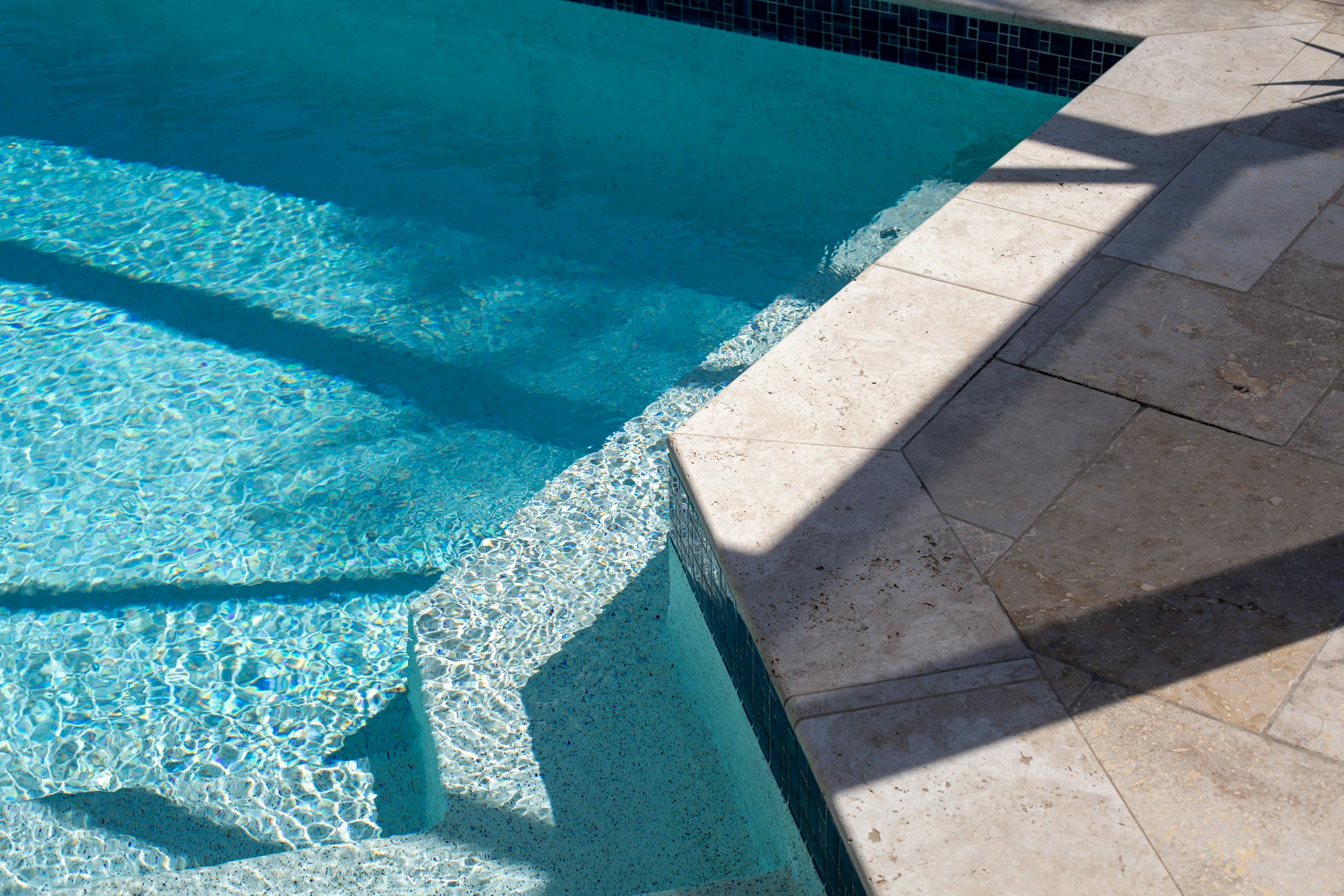
A hairline crack across the shallow-end plaster doesn't always mean disaster, but a spreading crack near the main drain often does. If you own a concrete pool and you are searching for pool crack repair cost in Marietta, GA information, you are probably staring at a crack right now and wondering if it is cosmetic or something worse. That uncertainty is normal, and it is the right question to ask before you spend a dollar on repairs.
Atlanta Leak Pros has spent more than 13 years working hands-on with concrete pools across the metro, tracing cracks back to their actual cause instead of guessing. That in-house experience matters because a crack that looks small on the surface can trace back to shifting soil, root pressure, or a failing plumbing line underneath the shell.
In this guide, you will find real cost ranges for hairline, structural, and fiberglass crack repairs, the factors that push prices up or down, and how to compare contractor estimates without getting burned.
What Marietta Homeowners Pay for Common Pool Crack Repairs
Pool crack repair costs in Marietta typically range from $300 to $8,000, depending on whether the damage is cosmetic or structural.
Most homeowners searching for a number want a range they can trust before a technician ever steps into the yard. Based on the jobs Atlanta Leak Pros runs across the metro, broad structural repairs tend to run $1,500 to $8,000, with per-square-foot surface work landing around $8 to $40 depending on scope.
Some smaller, more isolated fixes on mid-sized pools land closer to $2,000 to $4,500 total. For context, general concrete crack repair work nationally runs $15 to $18 per linear foot, though pool-specific gunite and structural work costs more than basic concrete patching because of the added complexity of working around a water-retaining shell.
Where your project lands on that spectrum depends heavily on which type of crack you are dealing with.
Hairline Plaster Crack Repairs
Hairline cracks in plaster are usually the cheapest fix, often costing a few hundred dollars when caught early. These cracks sit in the surface finish rather than the pool's structural shell, so pool crack repair here usually means cleaning the crack, applying a bonding agent, and patching with matching plaster.
The catch is that hairline cracks left alone for a season or two can widen as water works its way behind the surface. That water intrusion can eventually undermine the bond between plaster and gunite, turning a simple patch into a bigger concrete pool resurfacing job.
Structural Gunite Crack Repairs
Structural cracks in the gunite shell cost significantly more because they involve the pool's actual structure, not just the finish. Root-intrusion repairs on a single wall for a 16x32 to 20x40 pool commonly run in the thousands, with epoxy injection alone often priced between $900 and $1,800.
Rebar reinforcement and spot-gunite work add another layer of cost, and site restoration or a replaster patch typically follows once the structural fix cures. These jobs require pool structural repair expertise, not a quick surface patch, because the goal is to stop shell movement, not just hide a line.
Fiberglass Shell Crack Restoration
Fiberglass pools crack differently than gunite, usually showing spider cracks in the gel coat or deeper structural cracks at wall-floor junctions. Surface gel coat patches cost far less than structural fiberglass repairs, which may require polyester resin and fiberglass cloth reinforcement at stress points.
- Gel coat spider crack patch: lower-cost, cosmetic fix
- Wall-floor junction crack: requires resin and fiberglass reinforcement
- Full shell delamination: highest cost, may require partial shell replacement
Fiberglass repairs depend heavily on matching the existing gel coat color and finish, which affects labor time and final price.
Leak Detection, Draining, and Refill Costs
Before sealing any crack, you need to know whether it is actively leaking, which means pool leak detection. Skipping this step is how homeowners end up paying for a patch that never addresses the real water loss.
Draining a pool for repair work and refilling it afterward adds cost beyond the crack repair itself, often overlooked in early estimates. Marietta's water rates and the time needed to refill a full-size in-ground pool both factor into the final invoice, so ask your contractor to itemize this separately.
What Changes the Price of a Pool Crack Repair?
The single biggest price driver is whether a crack is cosmetic or structural, since that decision changes the entire scope of work. Everything else (location, access, and finish matching) builds on top of that first determination.
Cosmetic Cracks vs. Structural Movement
A cosmetic crack stays in the plaster or gel coat surface and doesn't affect the shell's integrity. Structural movement means the gunite, shotcrete, or fiberglass shell itself has shifted or fractured, which almost always costs more to fix correctly.
Telling the two apart takes more than a visual glance. A trained technician checks crack width, whether it follows a straight or jagged pattern, and whether water loss accompanies the crack, since active leaks often signal deeper pool structural repair needs.
Crack Location, Length, and Depth
Cracks near the main drain, skimmer, or deep-end floor cost more to access and repair than cracks along an exposed pool wall. Longer cracks require more injection material and labor time, and deeper cracks that penetrate the full shell thickness demand reinforcement, not just sealing.
A three-inch hairline crack on a pool wall and a six-foot crack across the floor aren't the same repair, even if both look thin. Floor cracks near structural stress points often need rebar work in addition to injection.
Access, Excavation, and Root Removal
Reaching the crack may require removing deck sections, cutting into surrounding concrete, or clearing tree roots first. Excavation and root removal add labor hours and equipment costs that surface-only repairs never require.
This is where Marietta's landscaping plays a direct role in your final bill. Pools with mature trees close to the shell frequently need underground pool plumbing repair alongside crack work, since roots that find their way into an existing crack near the shell often reach nearby pipes too.
Waterproofing, Replastering, and Finish Matching
Once a crack is sealed or reinforced, the surrounding area needs waterproofing and a finish that matches the rest of the pool. Spot replastering can leave a visible patch if the plaster batch does not match the aging or color from years of sun exposure.
Some homeowners choose a full concrete pool resurfacing instead of a visible patch, especially on older pools where matching a small section is nearly impossible. That decision usually comes down to how much of the surface has already worn down beyond the crack itself.
Which Repair Method Fits Your Pool's Damage?
The right repair method depends on whether you are sealing a surface issue or stopping structural movement, and each approach has a different cost and lifespan.
Epoxy Injection and Structural Stitching
Epoxy injection fills structural cracks under pressure, bonding the crack from the inside out and restoring strength to the gunite shell. This method works well for cracks caused by soil movement, where the goal is to stop the crack from widening further.
Structural stitching adds rebar or steel staples across a crack to hold the shell together mechanically. Combining both methods is common on Marietta pools where clay soil movement has caused repeated cracking over several years.
Surface Sealing and Plaster Patching
Surface sealing and plaster patching address cosmetic cracks that do not threaten the shell's structure. This is the fastest and least expensive pool crack repair option, often completed in a single visit once the pool is drained to the crack line.
- Best for: hairline cracks, spider cracks, isolated surface chips
- Typical timeline: same-day to one-day repair
- Limitation: does not address underlying structural or plumbing issues
If a patch keeps reappearing in the same spot season after season, that usually signals the real problem lies deeper than the surface.
Concrete and Gunite Reinforcement
Reinforcement work rebuilds compromised sections of the shell with new rebar and sprayed gunite, restoring the pool's structural integrity. This method fits pools with wider cracks, shell separation at the floor-wall joint, or visible bulging.
Reinforcement takes longer than injection alone, often requiring the pool to stay drained for several days while the new gunite cures properly. It costs more upfront but addresses the root structural issue rather than masking it.
When a Full Resurface Makes More Financial Sense
A full concrete pool resurfacing can make more financial sense than a visible patch once a pool has multiple cracks or widespread surface wear. Comparing patch costs against a full resurface helps homeowners see the full financial picture side by side.
If your pool is older and already showing surface roughness beyond the crack itself, a resurface often costs less over time than repeated patch visits. That calculation depends heavily on how many cracks exist and how old the current surface already is.
Why Marietta Soil and Mature Trees Can Affect Your Repair
Marietta sits on Piedmont clay soil that expands and contracts with moisture, and that movement is a leading cause of pool shell cracking in the area. Understanding this local factor changes how you should think about repair timelines and long-term prevention.
Piedmont Clay Soil Movement
Georgia's red clay soil swells when wet and shrinks when dry, and that volume change can exert enough force on a buried structure to cause real damage, as documented in this explanation of expansive soil behavior. Pools sit in that same soil, and the same swell-shrink cycle that cracks foundations can just as easily stress a pool shell.
Builders who understand these conditions design shotcrete and gunite pools with drainage and site prep specifically suited to expansive clay. Older pools built before these practices became standard face a higher risk of recurring cracks.
Root Pressure Near Older Pool Shells
Mature trees common in established Marietta neighborhoods send roots searching for moisture, and a pool shell is a reliable moisture source. Roots don't typically crack sound, intact gunite on their own; they exploit hairline cracks, cold joints, and gaps that already exist, working their way in and widening them over time. Roots that reach far enough can damage underground pool plumbing lines the same way.
Homeowners with large oaks or hardwoods near their pool deck should watch for cracks that appear on the side of the pool closest to the tree line. That pattern often points to root intrusion into an existing weak point rather than general settling.
Freeze-Thaw Cycles and Seasonal Water Loss
Marietta's winters bring occasional freezes that can worsen existing hairline cracks as water seeps in and expands when temperatures drop. Seasonal water loss every winter or spring often signals a small crack that grew during the cold months.
Watching your water level after each cold snap gives you an early warning system. If your pool suddenly needs more frequent refills after freezing weather, it deserves a proper leak check before the next season begins.
How to Compare Estimates Without Paying for the Same Repair Twice
A thorough estimate should tell you exactly what is wrong, not just what it will cost to fix. Estimates that skip diagnosis and jump straight to a price are the ones most likely to leave the real problem untouched.
What a Thorough Crack Inspection Should Include
A real inspection traces the crack's cause, not just its location, before quoting a repair. That means checking water levels for active loss, examining crack width and pattern, and ruling out plumbing issues hiding beneath the shell.
- Visual inspection of crack width, direction, and surrounding surface condition
- Water loss test to confirm whether the crack is actively leaking
- Check of nearby plumbing lines and equipment pad for related issues
- Assessment of soil and root conditions near the affected wall or floor
Skipping any of these steps increases the odds you pay for a patch that does not solve the underlying issue.
Questions to Ask Before Approving the Work
Before signing off on any pool crack repair, ask what caused the crack, not just how it will be sealed. A contractor who cannot explain the cause is guessing at the fix.
Ask whether the quote includes draining and refilling, finish matching, and any needed underground pool plumbing repair. These line items are easy to leave out of an initial number and then add later as surprises.
Repair Warranties, Permits, and Written Scope Details
A written scope of work should list every material, labor step, and expected timeline before work begins. This protects you if a crack reappears months later and you need to know what was actually covered.
Ask about workmanship warranties on structural repairs, since gunite and rebar work should hold up for years, not months. Confirm whether any permits are required for excavation work, especially if a crack is tied to deck or plumbing repairs.
Frequently Asked Questions
How much does pool crack repair cost in Marietta, GA?
Most Marietta pool crack repairs range from a few hundred dollars for hairline plaster patches to $8,000 for structural gunite work involving excavation and reinforcement. The final number depends on crack size, depth, and whether root removal or plumbing repair is also needed.
How do I know if my pool crack is structural or cosmetic?
Structural cracks are usually wider, follow jagged patterns, and often come with noticeable water loss, while cosmetic cracks stay thin and shallow in the surface finish. A hands-on inspection that checks crack depth and tests for active leaks is the only reliable way to tell the difference.
Can a cracked pool cause my water bill to spike?
Yes, an active structural crack can leak hundreds of gallons over time, showing up as a higher water bill or a pool that needs frequent refilling. If your water level drops faster than normal evaporation would explain, a leak detection check can confirm whether a crack is the cause.
Is it cheaper to repair a crack or resurface the whole pool?
A single, isolated crack is usually cheaper to patch than to resurface the entire pool. Once a pool has multiple cracks or the surface is already worn and rough, a full concrete pool resurfacing often works out more cost-effective than repeated patch repairs over a few years.
Do tree roots really cause pool cracks in Marietta?
Tree roots rarely crack sound gunite on their own. What typically happens is a root finds a hairline crack or joint that already exists and works its way in, widening it over time. Homes with large trees close to the pool deck should still watch for cracks forming on the side nearest the roots, since that's where root intrusion into an existing weak point is most likely.
Get the Right Repair Before a Small Crack Grows
A crack that seems minor today rarely stays that way once Georgia clay soil and seasonal freeze-thaw cycles start working against it. Addressing pool crack repair early, with a clear diagnosis, almost always costs less than waiting.
Whether you are watching your water level drop each week or staring at a spreading line across the plaster, the smartest next step is to have someone inspect the actual damage.
Call Atlanta Leak Pros today for a free estimate and find out exactly what your pool needs before the problem gets worse.
Free estimates on leak detection and repair across metro Atlanta. Mention the promotion for $25 off leak repairs.