
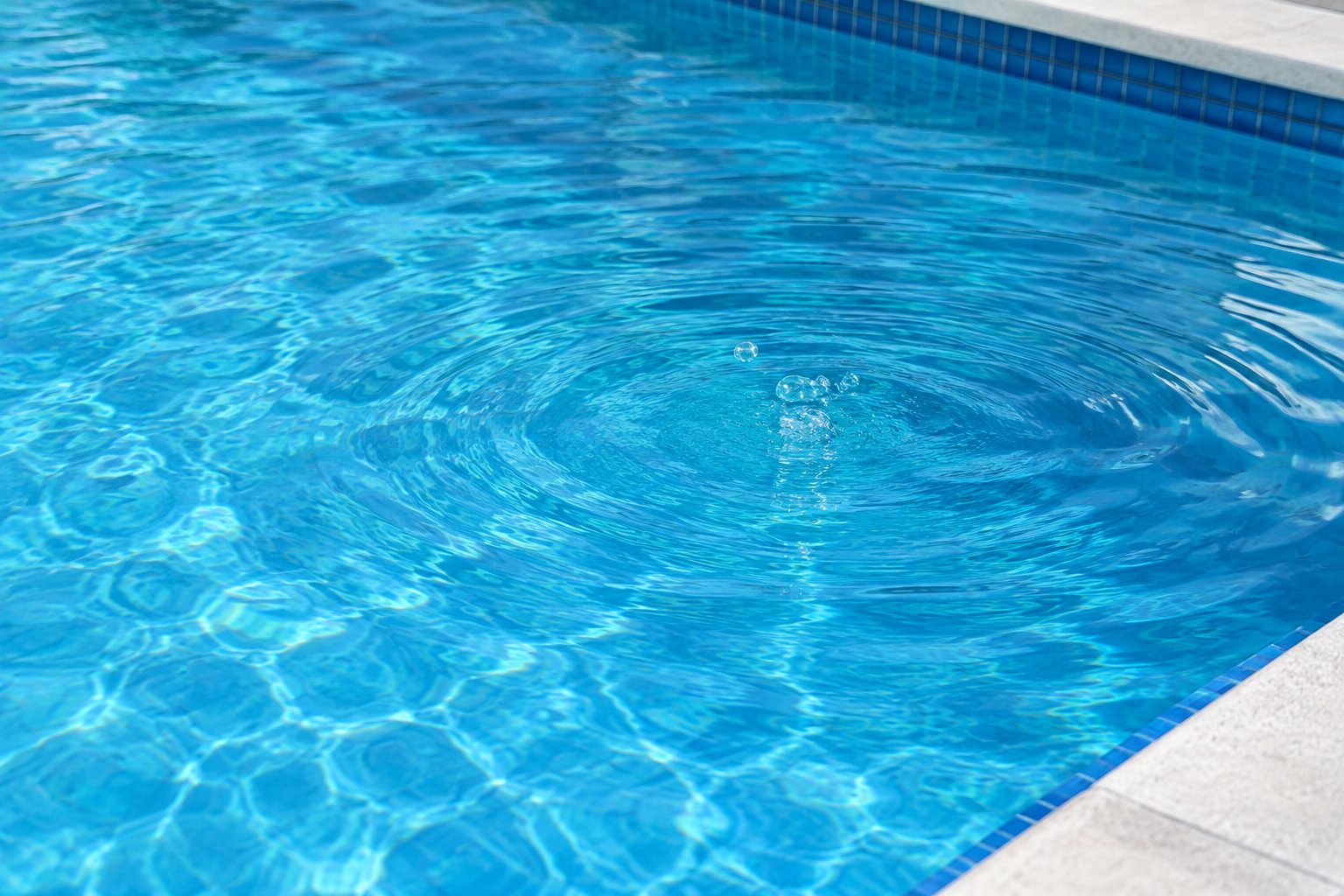
Your pool water level keeps dropping, and you cannot figure out why. Maybe you topped it off last week, and it is already down two inches again. That kind of unexplained water loss makes homeowners across Marietta, Roswell, Alpharetta, and Johns Creek ask the same question: Is this just summer heat, or is something actually broken underground?
Plumbing leak detection gives you a real answer instead of a guess. It looks past the pool's surface and checks the plumbing lines, fittings, and equipment that move water in and out of your system every day. A hidden plumbing leak can waste thousands of gallons before it ever shows up as a visible crack or wet spot.
In this guide, you will learn how to spot the early warning signs, how to tell evaporation from a real leak, and what tools a professional uses to find the source. You will also see what happens after the leak is confirmed and how to protect your pool going forward.
Signs Water Loss May Be Coming From Plumbing
A moving water meter, rising bills, and damp spots near your equipment pad all point to the same thing: your plumbing system is leaking somewhere you cannot see. These signs show up before you ever notice a drop in pool level.
A Moving Water Meter With Fixtures Off
Turn off every faucet, hose, and fixture in your house and pool area, then check your water meter. If the dial keeps moving, water is escaping somewhere in the plumbing system. This test takes ten minutes and rules out normal household use as the cause of your water loss.
Higher Bills, Low Pressure, and Running-Water Sounds
A water bill that jumps without a change in habits is one of the clearest signs of a hidden leak. Low pressure at your faucets or showerhead often means water is escaping before it reaches the fixture. Some homeowners also hear a faint running-water sound in walls or floors even when nothing is turned on.
Damp Areas, Stains, and Musty Odors
Water traveling through soil or under a slab often surfaces far from the actual leak. Watch for these patterns around your yard and home:
- Soggy patches in the lawn near the pool equipment pad
- Water stains on ceilings, baseboards, or interior walls
- A musty smell that suggests mold growth behind drywall
- Cracked or lifting tile near a slab that stays damp for no clear reason
Leaks Around Pool Equipment and Plumbing Fixtures
Check the pump, filter, and heater connections for drips, corrosion, or puddling. These plumbing fixtures take constant pressure and are common failure points. Once you have ruled out obvious fixture leaks, the next step is figuring out whether your water loss is a leak or just summer evaporation.
Separate Normal Evaporation From a Confirmed Leak
Not every dripping water line means a leak. Georgia summers push evaporation rates up, and a bucket test is the standard way to tell the difference before calling anyone out.
How to Compare Pool Water Loss Over 24 to 48 Hours
Mark the water level on the skimmer, then check it again 24 to 48 hours later. Compare that drop to a bucket floating in the pool filled to the same water line. If the pool drops noticeably more than the bucket, you likely have a leak rather than normal evaporation.
What the Bucket Test Can and Cannot Tell You
The bucket test confirms whether water loss is above normal, but it cannot tell you where the leak is coming from. It will not identify if the source is the shell, the plumbing lines, or the filtration equipment. Think of it as a screening step, not a diagnosis.
- Normal evaporation: varies with heat, wind, and pool size, but according to EPA's WaterSense program, losing more than 2 inches of water a week, or 3 inches a week in hot, dry, high-evaporation conditions, beyond what evaporation explains typically signals a leak
- Likely leak: pool loses noticeably more than the bucket over the same 24 to 48 hour period
- Confirmed leak pattern: water loss continues even during cooler, low-evaporation weeks
When Equipment-On and Equipment-Off Results Matter
Run the bucket test once with the pump running and once with it off. If the pool only loses extra water while the equipment runs, the leak is likely in the plumbing or filtration system, not the shell. That distinction changes where a technician starts. Once you confirm a leak, the next question is what a professional checks during an on-site inspection.
What a Professional Inspection Looks For
A professional leak detection visit checks pressurized lines, underground pipes, and every fitting between the pump and the pool. This is where plumbing leak detection moves from guesswork to a confirmed diagnosis.
Testing Pressurized Lines for Hidden Failures
Pressure testing involves isolating each plumbing line and applying air or water pressure to see if it holds steady. A pressure drop points directly to a failure in that specific line. This step alone can rule out or confirm several sections of pipe within an hour.
Checking Underground Pipes, Slabs, and Pool Plumbing
Underground pipes running beneath decks or slabs are some of the hardest leaks to find without the right equipment. A licensed plumber uses acoustic tools and pressure data together to narrow down the buried section before any digging starts. This matters most for older pools in Marietta and Roswell where original plumbing may be decades old.
Tracing Leaks in Drains, Returns, and Filtration Lines
Return lines, skimmer lines, and main drains each get tested separately since a leak in one does not mean the others are affected. Technicians isolate each line under pressure to confirm which ones are losing water. Filtration equipment connections get the same scrutiny, since a loose union or worn gasket is a common failure point.
Confirming the Source Before Any Repair Begins
No responsible repair starts until you confirm the exact source. Guessing at a fix wastes money and can leave the real leak untouched. Once the source is pinpointed, the next step is choosing which detection tool actually locates it with precision.
Tools That Locate Hidden Water Loss Without Guesswork
Specialized leak detection devices find water loss that visual inspection simply cannot catch. These tools let a technician confirm a leak's exact location without tearing up your entire pool deck.
Acoustic Listening and Electronic Leak Detection Devices
Acoustic equipment picks up the distinct sound pressurized water makes as it escapes a pipe. A technician moves the device along suspected lines until the sound peaks at one point. This method works well for underground pool plumbing and slab leaks alike.
Thermal Imaging for Moisture and Temperature Changes
Thermal imaging cameras detect temperature differences in surfaces where water is escaping into surrounding material. Wet areas read cooler or warmer than dry ones depending on conditions, and the camera captures that difference instantly. This helps confirm a leak's path without opening walls or decking.
Video Camera Inspection for Internal Pipe Damage
A small camera fed into plumbing lines shows cracks, corrosion, or separated joints from the inside. This is especially useful for older pool plumbing where corrosion has weakened pipe walls over time. Video inspection also confirms whether a full pipe section needs replacement or just a spot repair.
Dye Testing for Accessible Fittings and Fixtures
Dye testing works well on visible fittings, skimmers, and light niches. A small amount of dye is released near a suspected crack, and movement toward the gap confirms the leak point. It is simple, low-cost, and effective for surface-level checks. Once you've confirmed the source and used the right tool to find it, the next step is making sure repairs happen fast enough to prevent lasting damage.
Preventing Costly Damage After the Source Is Found
Fast repairs after a confirmed leak protect your pool structure, your yard, and your home's foundation from compounding damage. Waiting even a few extra weeks can turn a simple fix into a bigger project.
Why Prompt Repairs Protect Your Pool and Property
Water sitting under a slab or pool deck for weeks invites mold growth and weakens soil support. Left unaddressed, this can lead to cracking, settling, or corrosion in nearby plumbing. Most confirmed pool plumbing repairs are completed within one to three days once the source is pinpointed.
Monitoring Water Use Between Inspections
Keep an eye on your water meter and bill even after a repair is finished. A sudden spike months later can signal a new issue elsewhere in the plumbing system. Simple monthly checks catch problems early instead of letting them build for another season.
Protecting Vulnerable Pipes During Freezing Weather
Georgia winters bring occasional hard freezes that can crack exposed plumbing lines around the equipment pad. Frozen pipes expand and often split at joints, creating new leaks that show up as soon as temperatures rise. Insulating exposed lines before winter is a low-cost step that prevents a much larger repair bill later.
- Wrap exposed pipes near the equipment pad with foam insulation
- Keep the pump running during hard freezes to keep water moving
- Drain and cover outdoor fixtures not in regular winter use
Once repairs are done and your system is protected, the last step is deciding when to call for an inspection and how to keep monitoring water loss going forward.
Get a Clear Answer Before Water Loss Gets Worse
You don't need to keep guessing where your water is going. A same-week inspection gives you a confirmed answer and a clear repair plan.
When to Schedule an On-Site Leak Inspection
Schedule an inspection as soon as a bucket test or rising water bill points to a leak. Waiting rarely saves money, since hidden leaks tend to get worse, not better. Pool owners in Alpharetta, Johns Creek, and surrounding areas typically see faster, cheaper fixes when they call early.
Smart Monitoring Options for Ongoing Protection
A smart water leak detector can flag unusual flow patterns before you notice a higher bill. Many models connect to smart home devices and work with Amazon Alexa, Google Assistant, or IFTTT for instant alerts. Newer devices built on the Matter standard make it easier to connect detectors across different brands in one system.
- Point-of-use sensors: placed near the pump or heater to catch localized leaks
- Whole-home flow monitors: track total water use and flag abnormal spikes
- Automatic shutoff valves: cut water supply when a leak is detected, limiting damage
These tools work alongside professional detection, not instead of it, especially for underground or shell-related leaks that specialists like Atlanta Leak Pros are equipped to trace.
Frequently Asked Questions
How Do Plumbers Find a Hidden Water Leak in Your Home?
Plumbers combine pressure testing, acoustic listening devices, and thermal imaging to narrow down a leak's location. They isolate sections of plumbing one at a time to confirm exactly where pressure is dropping. This process avoids unnecessary digging or demolition.
How Much Does Professional Leak Detection Cost in Atlanta?
Costs vary based on pool size, plumbing layout, and how accessible the suspected lines are. Most inspections are priced after a technician reviews your specific setup on-site. A free estimate gives you an exact number before any work begins.
Can a Plumber Detect a Leak Without Cutting Into Your Walls or Slab?
Yes, non-invasive tools like acoustic devices, thermal imaging, and pressure testing locate most leaks without demolition. These methods pinpoint the source first, so any digging or cutting is targeted and minimal. Invasive work is only used once the leak's exact location is confirmed.
What Are the Signs of an Underground Water Leak on Your Property?
Soggy patches in the yard, a moving water meter with fixtures off, and unexplained pool water loss all point to underground leaks. Cracked pavement or shifting soil near pipes can also signal a leak. Low water pressure across multiple fixtures often confirms the pattern.
Will Homeowners Insurance Cover the Cost of Finding a Plumbing Leak?
Coverage depends on your policy and whether the leak caused sudden, accidental damage versus gradual wear over time. Many policies cover resulting water damage but not the detection service itself. Check your specific policy language or ask your insurance agent before assuming coverage.
When Should You Call a Professional for a Suspected Water Leak?
Call as soon as a bucket test, rising bill, or visible damp area points to a leak. Calling early almost always means a faster, less expensive repair. Waiting gives water more time to damage plumbing, soil, and your pool structure.
Get a Real Answer, Not Another Guess
Unexplained water loss always has a cause, and it is almost never worth ignoring. Whether you are staring at a climbing water bill in Marietta or a pool that will not hold its level in Johns Creek, the fastest path forward is a real answer instead of another guess.
Plumbing leak detection turns that uncertainty into a clear, confirmed diagnosis you can act on. From there, repairs move fast, and your pool gets back to holding water the way it should.
Ready to stop guessing and start fixing? Get your free estimate from Atlanta Leak Pros and get it done right.
Free estimates on leak detection and repair across metro Atlanta. Mention the promotion for $25 off leak repairs.