
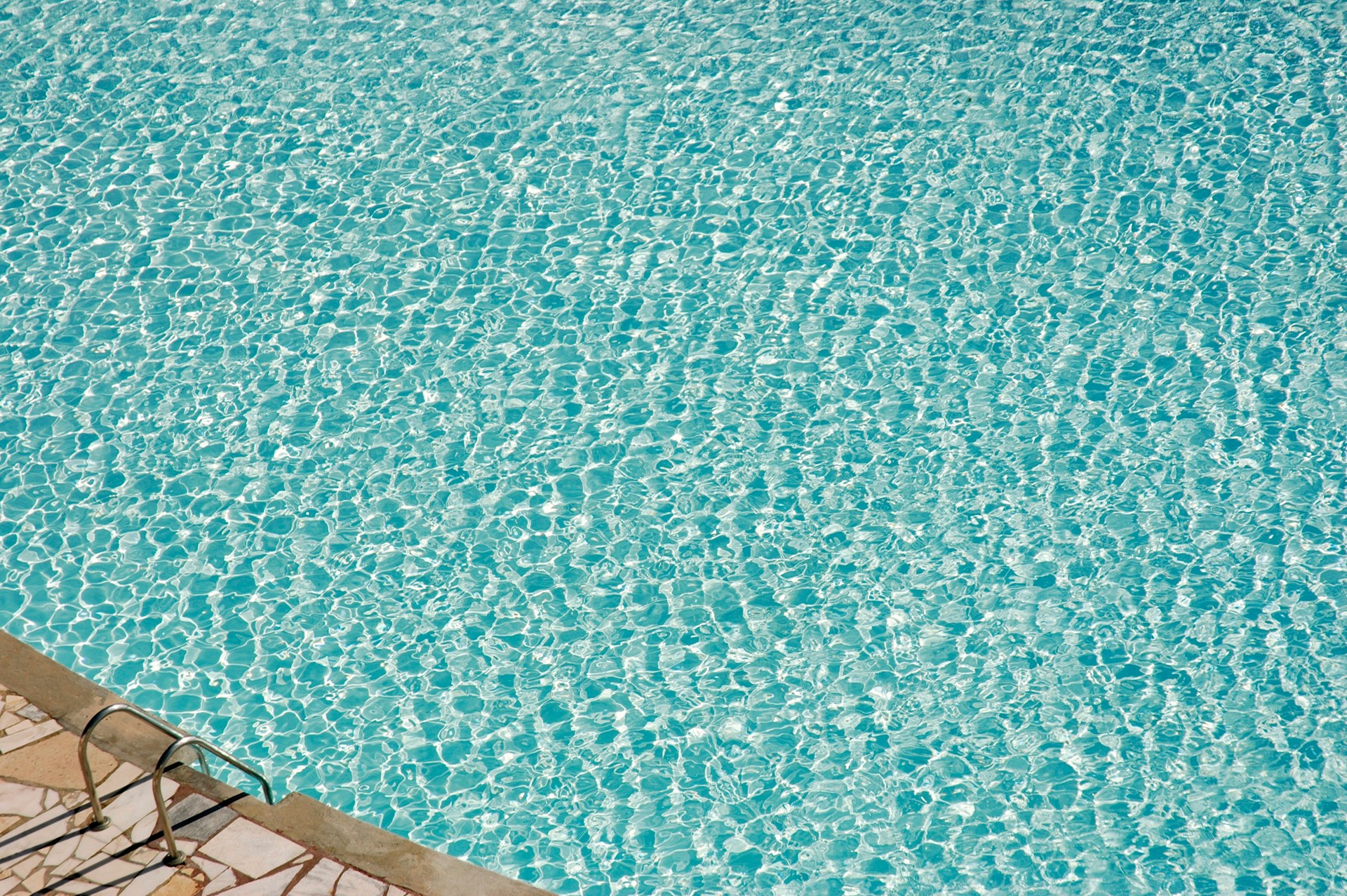
If your pool surface looks rough, stained, or worn out, you're probably weighing Pebble Tec vs plaster pool cost in Atlanta right now. Concrete pools around Marietta, Roswell, Alpharetta, and Johns Creek all face the same clock: plaster and pebble finishes wear down, and Georgia's humid summers and clay soil don't slow that process.
Homeowners who call a contractor for a resurfacing quote often discover something else underneath the surface, like a hairline crack or a slow leak that's been draining water for months. With 13-plus years of hands-on experience diagnosing Atlanta-area pools, Atlanta Leak Pros has seen how often a resurfacing job turns up a hidden plumbing or structural issue that changes the whole plan.
In this guide, you will find real cost ranges for Pebble Tec and plaster, the factors that move your price up or down, how each finish holds up over time, and which one tends to pay off for pool owners in the Atlanta metro. Keep reading if you're comparing quotes in Roswell or planning a renovation budget before pool season.
What Does Pebble Tec vs. Plaster Pool Cost in Atlanta?
Pebble Tec generally costs more upfront than plaster, but the exact gap depends on your pool's size and condition. Atlanta homeowners typically see plaster resurfacing land on the lower end of the price spectrum, while pebble finishes carry a premium tied to the aggregate material and extra labor time.
Typical Installed Price Ranges for Atlanta Resurfacing
Plaster resurfacing for a standard residential pool generally costs less than pebble finishes. Homewyse's 2026 installed-cost data puts standard plaster replastering at roughly $6.63 to $7.90 per square foot, while Pebble Tec and other aggregate finishes typically run higher due to the material and extra labor involved; though pricing varies enough by aggregate grade and contractor that a written on-site quote is the only way to get an exact number for your pool.
These figures shift based on pool shape, surface prep needs, and whether you're adding features like steps or a spa.
Atlanta pricing generally falls within national norms, though labor costs and permit requirements in certain counties can push totals slightly higher. A contractor's written estimate should always reflect your pool's actual square footage, not a rough guess based on gallons.
Cost Example for a Standard 15-by-30-Foot Pool
A 15-by-30-foot pool is one of the most common sizes in Atlanta backyards, and it gives a useful benchmark for comparing finishes. For this size, plaster resurfacing often totals in the thousands, while Pebble Tec adds several thousand more to the final bill depending on aggregate grade and color choice.
Here's how the two typically stack up on a project of this size:
- Plaster: lower material cost, faster application, shorter curing time
- Pebble Tec: higher material cost, longer install window, more texture and color options
- Added costs for both: waterline tile replacement, drain and refill, surface prep for cracks or stains
Why a Written On-Site Estimate Matters
Online calculators give you a starting point, but they can't see your pool's actual condition. A written on-site estimate accounts for surface damage, plumbing concerns, and structural issues an online tool can't catch.
Atlanta clay soil shifts with seasonal moisture changes, and that movement can create small cracks or uneven spots in gunite that raise your prep costs. Skipping an in-person inspection means your final invoice could look nothing like your original online quote, especially if pool leak detection turns up a problem hiding beneath the surface.
What Drives Your Pool Resurfacing Price?
Your final resurfacing price comes down to four main factors: pool size and features, surface condition, finish selection, and timing. Understanding each one helps you read a quote line by line instead of just looking at the bottom number.
Pool Size, Shape, Steps, and Spa Surfaces
Every additional square foot of surface area adds to labor and material costs, and irregular shapes take longer to finish evenly. Pools with steps, tanning ledges, or an attached spa require more detailed handwork, which adds time on the job site.
Freeform pools common in Alpharetta and Johns Creek neighborhoods often cost more to resurface than a simple rectangle of the same square footage. Curved walls and tight corners slow down the crew and require more careful pebble or plaster application.
Surface Preparation, Cracks, and Water Loss Repairs
Surface prep is where hidden costs show up fastest. If your pool has existing cracks, a contractor needs to complete pool crack repair before applying any new finish, or the new surface will fail early.
Water loss complicates things further. If your pool has been losing water and no one has run pool leak detection yet, that unresolved leak can undermine a brand-new finish within a year or two. Addressing underground pool plumbing repair or pool structural repair before resurfacing protects your investment in the new surface.
Finish Color, Aggregate Grade, and Waterline Tile
Standard white plaster sits at the lower end of the cost scale, while colored plaster and premium pebble blends push the price higher. Larger aggregate sizes and specialty color blends in Pebble Tec finishes add to both material cost and labor time.
Waterline tile is another line item worth watching. Many Atlanta homeowners replace tile at the same time as resurfacing since the pool is already drained, which saves on labor later.
Atlanta Labor Conditions and Seasonal Scheduling
Spring and early summer are the busiest resurfacing months in the Atlanta metro, and that demand can affect scheduling and pricing. Booking your project in late winter or early spring often means shorter wait times and more flexibility with your contractor's calendar.
Concrete pool resurfacing also depends on weather. Extended rain delays curing time, so contractors in this region plan around Georgia's spring storm patterns when scheduling jobs. Once you know what drives your price, the next question is how each finish performs once it's installed.
Pebble Tec vs. Plaster: Durability, Feel, and Care
Pebble Tec generally lasts longer than plaster, but plaster is smoother underfoot and less expensive to maintain in the short term. Choosing between them means weighing texture preference against how often you're willing to resurface.
Expected Service Life of Each Finish
Plaster finishes typically need replacement sooner than pebble finishes, largely because plaster is a thinner, more uniform layer that wears with chemical exposure and foot traffic. Pebble finishes use larger aggregate embedded in a cement matrix, which holds up longer against the same wear.
Atlanta's swim season runs long, often from April through September, and that extended use adds cumulative wear to any pool surface. Regular swimmers and pool owners who host frequent gatherings tend to see faster wear on plaster than those with lighter, more occasional use.
Texture, Appearance, and Available Color Choices
Pebble Tec has a textured, natural stone-like feel underfoot, while plaster feels smoother and softer. Some swimmers prefer the traction pebble offers on pool steps, while others find plaster more comfortable for bare feet and knees.
Color options differ too. Plaster comes in white and a handful of tinted options, while pebble finishes offer a wider range of blended colors and aggregate sizes.
Chemical Balance and Ongoing Maintenance Needs
Both finishes need consistent chemical balance to avoid premature wear, but plaster is more sensitive to pH swings and can etch or stain faster than pebble. Keeping calcium hardness and pH within recommended ranges extends the life of either surface.
Brushing your pool weekly helps prevent calcium scale buildup on both finishes, though pebble's texture can trap debris more easily than smooth plaster. Regular maintenance matters, but it can't fix damage that started below the surface.
When Roughness, Stains, or Etching Signal a Larger Issue
Rough patches, dark staining, or etching sometimes point to something more than normal wear. If these signs appear early, within just a few years of a new finish, they can indicate an underlying leak or structural movement rather than simple aging.
A pool losing water steadily while also showing surface damage is a strong sign it's time for pool leak detection before spending more money on cosmetic fixes. That connection between surface wear and hidden water loss is exactly where your renovation budget can shift.
Which Finish Offers Better Long-Term Value?
Pebble Tec tends to offer better long-term value for pool owners planning to stay in their home for many years, while plaster works well for owners who prioritize a lower upfront cost. The right answer depends on how long you plan to own the pool and how much you want to spend now versus later.
Upfront Savings vs. Future Resurfacing Cycles
Plaster costs less to install today, but its shorter lifespan means you'll likely pay for another resurfacing job sooner. Pebble Tec costs more upfront, but its longer service life can mean fewer resurfacing cycles over the same number of years.
For most Atlanta-area homeowners, Pebble Tec delivers better long-term value if they plan to keep their pool for over a decade, while plaster suits owners focused on the lowest upfront price or a shorter ownership horizon. Doubling a finish's lifespan can make the higher price worth it over the life of the pool, since it usually means avoiding one full resurfacing cycle.
When Standard Plaster Makes Financial Sense
Plaster makes sense if you're planning to sell your home within the next few years or you're working with a tighter renovation budget right now. It also works well for pool owners who've resurfaced recently and just need a refresh rather than a full upgrade.
Homeowners in Marietta with older gunite pools sometimes choose plaster specifically because it matches the pool's original finish style and keeps costs predictable.
When a Pebble Finish Justifies Its Higher Price
Pebble Tec justifies its price when you want a longer-lasting surface, more texture underfoot, and more color options. Families who use the pool heavily throughout Atlanta's long swim season often find the extra durability worth the higher initial cost.
Pool owners planning other upgrades, like new tile or updated equipment, sometimes bundle those projects with concrete pool resurfacing to save on combined labor costs.
How Leak Repairs Can Change the Renovation Budget
A leak found during pre-resurfacing inspection can shift your entire budget, sometimes by a meaningful amount depending on the repair needed. If needed, underground pool plumbing repair or pool structural repair should happen before any new finish goes on, not after.
Skipping this step risks damaging a brand-new surface within months. Getting pool leak detection done first protects whichever finish you choose and gives you a clearer, more accurate total before you commit to a contractor.
Choosing the Right Finish for Your Atlanta Pool
The right finish for your pool comes down to three things: how long you plan to stay in your home, your renovation budget, and your pool's current condition. Weighing these together gives you a clearer answer than comparing price tags alone.
Start by getting your pool's surface and structure checked before requesting quotes. A pool that's losing water or showing surface damage needs pool leak detection and possibly pool crack repair before a resurfacing decision even makes sense.
Once you know the pool is structurally sound, compare quotes side by side using the same scope of work. Ask each contractor to break down material cost, labor, and any prep work separately so you're comparing apples to apples.
- Confirm whether the quote includes drain and refill costs
- Ask if waterline tile replacement is included or billed separately
- Check whether surface prep for cracks or stains is already accounted for
- Request the finish warranty length in writing
Frequently Asked Questions
Is Pebble Tec More Expensive Than Plaster in Atlanta?
Yes, Pebble Tec generally costs more than plaster in Atlanta, largely due to the aggregate material and longer application process. Pricing depends on your pool's size, shape, and current surface condition, so a written on-site estimate gives the most accurate number.
How Much Does It Cost to Replaster a 40,000-Gallon Pool in Atlanta?
Cost depends on the pool's surface area, not gallons alone, since resurfacing is priced per square foot. A 40,000-gallon pool typically has enough surface area to fall into a mid-to-large size category, so getting an exact quote requires measuring the actual interior surface.
How Long Do Pebble Tec and Plaster Pool Finishes Last?
Pebble Tec finishes generally last longer than plaster finishes because of the aggregate's durability. Plaster tends to need replacement sooner, especially in pools with heavy use or inconsistent chemical maintenance.
What Are the Downsides of Choosing Pebble Tec for a Pool?
Pebble Tec costs more upfront than plaster and has a rougher texture that some swimmers find less comfortable underfoot. It also takes longer to install and cure compared to a standard plaster job.
Should I Repair a Pool Leak Before Resurfacing the Pool?
Yes, repairing a leak before resurfacing protects your investment in the new finish. Pool leak detection identifies the source, and addressing underground pool plumbing repair or pool structural repair beforehand prevents new damage to a freshly finished surface.
If you're seeing water loss and want a straight answer, schedule your leak detection with Atlanta Leak Pros. That single step often clarifies which finish makes sense and prevents a costly surprise mid-project.
Free estimates on leak detection and repair across metro Atlanta. Mention the promotion for $25 off leak repairs.