
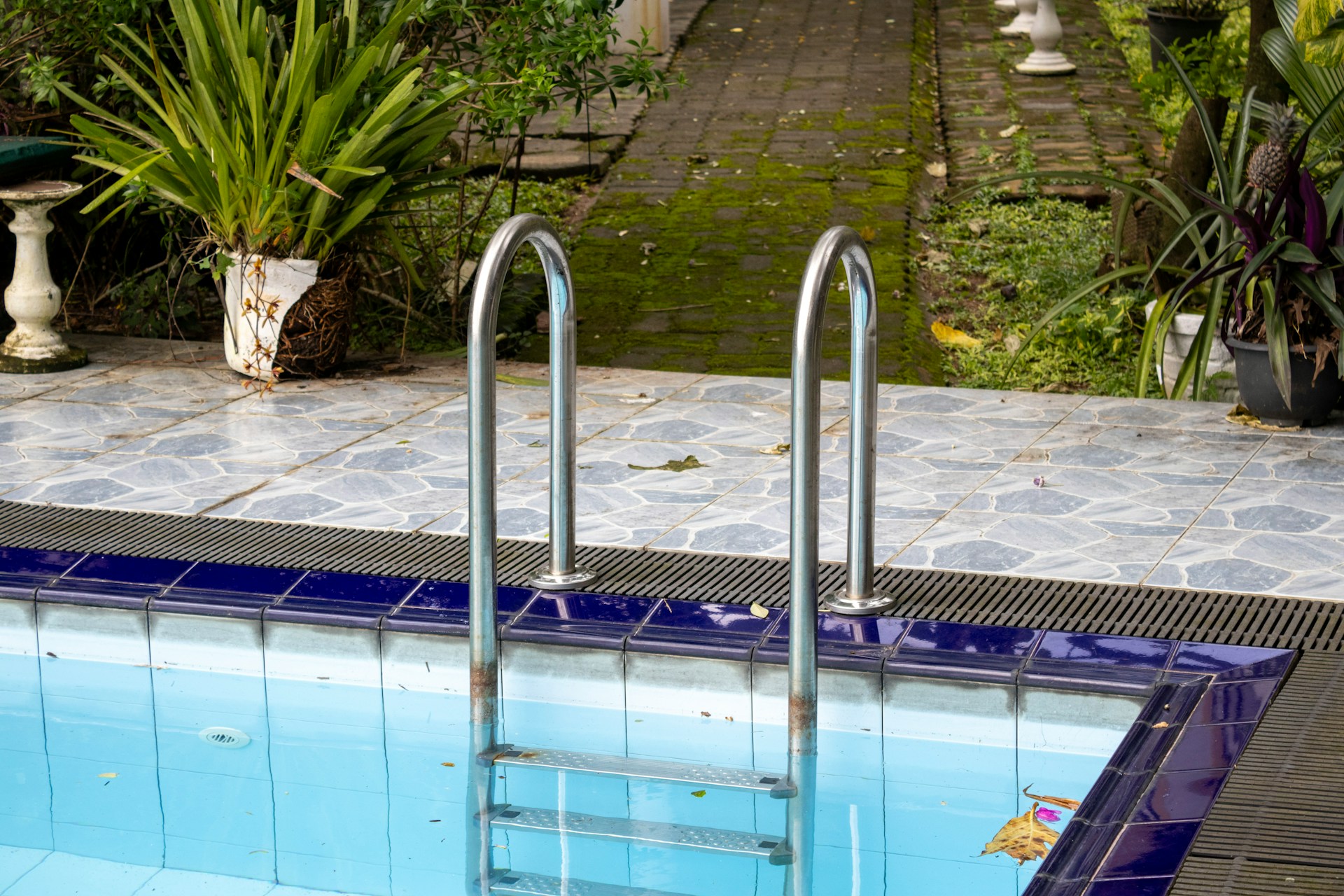
If your concrete pool is losing water, cracking, or acting up, you are probably wondering who can actually fix it right. An in-house pool repair team in Atlanta, GA means one crew handles the inspection, the diagnosis, and the repair itself, without passing your job to a stranger.
Atlanta Leak Pros has spent more than 13 years working hands-on with pool owners across the metro, using advanced leak detection equipment to find problems other companies miss. That kind of experience matters when a slow leak has already cost you hundreds of dollars in water bills, and you need a real answer, not a guess.
In this guide, you will learn what repairs typically cost, which problems need attention right away, and what a proper repair visit looks like from start to finish. Keep reading to learn how homeowners in Marietta and Roswell are getting straight answers before their pools open for the season.
What an In-House Crew Means for Your Repair
An in-house crew means the same technicians who inspect your pool are the ones who fix it, with no subcontractors added to the job. That single fact changes how fast your repair gets scheduled, how accurate your estimate is, and who you call if something goes wrong later.
One Team From Inspection Through Completion
A single team stays with your pool from the first walkthrough to the final test. The technician who finds a crack near your skimmer is the same person who repairs it, so nothing gets lost in translation between an inspector and a separate repair crew.
This continuity matters most on jobs that combine more than one problem, like a pool with both a plumbing leak and surface cracking. One crew can plan pool leak detection and pool crack repair together instead of scheduling two separate visits with two separate companies.
Why No Subcontractor Handoffs Matter
Subcontractor handoffs slow down repairs and blur who is responsible for the work. When a company brings in outside labor for concrete pool resurfacing or underground pool plumbing repair, your project timeline depends on someone else's schedule, not the company you hired.
Pool builders and remodelers have long debated subcontractors against in-house talent, weighing cost control against consistency. For repair work specifically, in-house labor tends to move faster because there is no coordination gap between crews.
- In-house teams schedule their own repair timeline without waiting on third-party availability
- One point of contact answers questions about the job, not multiple companies
- Warranty and workmanship issues get resolved by the same crew that did the work
Clear Accountability for Quality Workmanship
Accountability means you know exactly who to call if a repair does not hold up. When one team handles pool structural repair or pool crack repair from start to finish, there is no finger-pointing between a contractor and a sub about whose work failed.
This matters in the Atlanta metro, where clay soil shifts and heavy rain can put stress on repaired areas within the first year. An in-house crew that stands behind its own labor can come back and address a problem without you having to re-explain the job to a new crew.
That kind of accountability only helps if the crew actually catches the right problems early. The next question is which pool issues deserve urgent attention and which can wait.
Which Pool Problems Need Prompt Attention
Some pool problems can wait for your next scheduled service, but others get worse and more expensive the longer they sit. Knowing the difference saves you money and protects your pool's structure through Atlanta's hot summers and wet winters.
Water Loss, Leaks, and Damaged Plumbing
Daily water loss almost always points to a leak in the shell, plumbing, or fittings, and it rarely fixes itself. Pool leak detection uses pressure testing and specialized equipment to trace the exact location of the loss before any digging or patching begins.
Underground pool plumbing repair becomes necessary when a leak traces back to a cracked or separated pipe beneath the deck. Left alone, these leaks can undermine the soil around your pool shell and lead to far more expensive pool structural repair down the road.
Cracked Plaster, Concrete, and Pool Surfaces
Hairline cracks in plaster look minor but often signal shifting soil or age-related wear underneath the surface. Georgia's clay-heavy ground expands and contracts with moisture changes, and that movement is a well-documented cause of structural stress: expansive clay soils place repetitive stress on structures as they absorb and release moisture, which lines up with the wet-spring, dry-summer pattern that drives so much cracking in Atlanta-area pools.
Pool crack repair addresses the crack itself, while concrete pool resurfacing restores the entire surface once it has aged past simple patching. Waiting too long on visible cracks can let water seep behind the surface and accelerate damage to the shell.
Pump, Filter, Heater, and Circulation Failures
A pump that will not prime or a filter that will not clear cloudy water needs attention within days, not weeks. Poor circulation lets algae take hold quickly in Atlanta's summer heat, turning a simple fix into a bigger cleanup job.
- Pump failure: often shows up as loud noise, no priming, or reduced flow
- Filter clogging: causes cloudy water and rising pressure gauge readings
- Heater issues: show up as inconsistent water temperature or error codes
- Circulation problems: lead to dead zones where algae builds up fastest
Lights, Controls, and Other Electrical Concerns
Flickering pool lights or a control panel that will not respond can point to a wiring or bonding issue that needs a trained eye. Electrical problems near water carry real safety risks, so these calls should never sit on a to-do list for long.
Once you know which problems need fast attention, the next natural question is what those repairs actually cost in the Atlanta market.
How Much Do Common Pool Repairs Cost in Atlanta?
Pool repair costs in Atlanta vary widely depending on what is actually wrong. Simple filter or pump fixes land on the low end, while structural and plumbing repairs cost more.
What a Leak Inspection Can Reveal
A leak inspection often reveals more than one problem at once, since small leaks tend to hide near larger ones. Homewyse's national benchmark for general plumbing leak detection puts a standard visit at roughly $241 to $292, and pool-specific detection commonly lands in a similar range, often $300 to $600, depending on pool size and how hidden the leak is.
That inspection tells you whether you are dealing with a simple fitting leak or a more serious plumbing break under the deck. It also gives you the real scope of the job before you commit to any repair spending.
Factors That Change Your Repair Estimate
Several factors push your final repair cost up or down beyond the base price of the fix itself.
- Pool size and shape, since larger surfaces take more material and labor
- Access to the damaged area, especially for underground pool plumbing repair
- Age and condition of the existing concrete surface
- Whether the job involves one repair or several combined issues
- Local permit requirements tied to the scope of the work
Concrete pool resurfacing costs run roughly $6.55 to $7.81 per square foot for replastering as of 2026, according to Homewyse's installed-cost data, covering draining, surface prep, plaster application, and refilling. Tile, decking, and additional repairs add to that base figure.
When Repair Makes More Sense Than Renovation
Repair makes more sense than a full renovation when the damage is limited to one area and the rest of the shell is sound. A cracked step or a single leaking fitting rarely justifies tearing into the whole pool.
Renovation becomes the smarter call when plaster is failing across the entire surface or multiple structural issues show up in the same inspection. At that point, spreading repair costs over several years often ends up pricier than one complete resurfacing project.
Once you have a rough cost picture, the next step is understanding how the repair visit unfolds.
What to Expect From the Repair Process
A pool repair visit follows a clear sequence: diagnosis first, then a written plan, then the actual work, then a test before anyone calls the job done. Knowing that order helps you spot a rushed job before it becomes a callback.
Hands-On Diagnosis Before Any Work Begins
Diagnosis always comes before any tools touch your pool. A proper visit starts with a hands-on inspection of the shell, plumbing lines, and equipment pad, moving from diagnosis through repair execution to post-work verification.
For suspected leaks, that means pressure testing the plumbing and dye testing suspicious cracks before anyone recommends a fix. Skipping this step is how homeowners end up paying for repairs that do not address the real problem.
A Written Scope and Practical Repair Timeline
A written scope should spell out exactly what will be fixed, what materials will be used, and how long the job will take. For concrete pool resurfacing, that timeline usually includes draining, surface prep, application, and curing time before refilling.
For pool crack repair or underground pool plumbing repair, the scope should note whether decking or landscaping needs to be disturbed to reach the damaged section. Vague verbal estimates without this level of detail are a sign to ask more questions.
Testing the Repair Before the Job Is Complete
Testing confirms the fix worked before the crew packs up. That means refilling to the proper level, running the pump, and checking for continued water loss over a set period.
For structural or plumbing repairs, a second pressure test after the fix confirms the leak is actually gone. Without this step, you have no real proof the repair solved the problem you called about in the first place.
Once the work is tested and confirmed, the last piece of the puzzle is picking a team you can trust to do it right the first time.
Choosing a Team You Can Trust With Your Pool
Trust comes down to three things: clear answers to direct questions, familiarity with local conditions, and a written estimate before any work starts. If a team hesitates on any of these, it deserves a second look.
Questions to Ask Before You Approve Repairs
Before you approve any repair, ask questions that reveal how the company actually operates.
- Does your crew handle the whole job in-house, or do you subcontract any part?
- What method do you use for pool leak detection, and how accurate is it?
- Will I get a written scope before work begins, not just a verbal quote?
- How do you test the repair once the work is finished?
- What is your experience with pool structural repair specifically, not just routine maintenance?
Straight answers to these questions tell you more about a company's reliability than any advertisement.
Local Conditions That Affect Atlanta-Area Pools
Local soil and weather shape how pools age across the metro. Homeowners in Roswell and Alpharetta often deal with clay soil movement that stresses pool shells over time, while pools in Johns Creek and Marietta face similar seasonal freeze-thaw cycles that widen existing cracks.
Heavy spring rain across the region can also mask small leaks by refilling the pool naturally, delaying when homeowners notice the real problem. A crew familiar with these local patterns knows where to look first during an inspection.
Free Estimates and Straight Answers Before Summer
Free estimates give you a real number before you commit to any repair spending. Getting that estimate early, before pool season ramps up, means repairs get scheduled without the backlog that hits companies every spring. That is exactly what a free, in-house estimate is meant to give you: a real number before you commit to any repair spending.
With the right questions answered and a trustworthy crew identified, the last step is turning that knowledge into a plan for your specific pool.
Get a Clear Plan for the Pool Problem in Front of You
A clear plan starts with naming the exact problem in front of you, whether that is disappearing water, a spreading crack, or equipment that will not run right. Guessing at causes only delays the fix and adds cost.
If you are watching your water level drop day after day, pool leak detection gives you a precise answer instead of a guess. If cracks are spreading across your pool floor or steps, pool crack repair or pool structural repair stops the damage before it reaches the plumbing beneath the shell.
If your surface looks worn, chalky, or rough underfoot, concrete pool resurfacing restores it without the cost of a full rebuild. Matching the right service to the right problem is how Atlanta-area homeowners avoid paying twice for the same repair.
Frequently Asked Questions
What does an in-house pool repair team do differently?
An in-house team handles diagnosis, repair, and testing with the same crew, without passing your job to outside subcontractors. That means faster scheduling and one point of contact if any part of the repair needs follow-up.
How much does it cost to repair a pool leak in Atlanta?
Leak detection in the Atlanta area typically costs between $241 and $600 depending on pool size and how hidden the leak is, with total repair costs depending on where the leak is located and what caused it. Plumbing leaks under the deck usually cost more to fix than a simple fitting or skimmer leak.
Can a pool repair team fix cracks and equipment problems in the same visit?
Yes, an in-house crew can often address pool crack repair and equipment issues like pump or filter failures during the same visit. Combining diagnosis for multiple problems saves you from scheduling separate appointments for each issue.
How quickly should I repair a pool that is losing water every day?
Inspect daily water loss within days, not weeks, since untreated leaks can undermine soil and lead to costly pool structural repairs. Pool leak detection identifies the exact source so the repair addresses the real cause instead of a symptom.
Do you provide free pool repair estimates in Marietta, Roswell, Alpharetta, and Johns Creek?
Yes, we offer free estimates for homeowners throughout Marietta, Roswell, Alpharetta, and Johns Creek. A hands-on inspection gives you a clear scope and price before any repair work begins.
Keeping Your Pool Ready for Every Atlanta Season
A pool that runs right through summer heat and holds up through winter freezes comes down to catching problems early and fixing them properly the first time. Whether your issue is a slow leak, a spreading crack, or equipment that will not cooperate, the fix starts with an honest, hands-on look at what's happening below the surface.
Atlanta-area pools face real local pressures, from shifting clay soil to heavy seasonal rain, and those conditions do not wait for a convenient time to cause trouble. Getting ahead of repairs, especially before pool season fills every contractor's schedule, saves both money and stress.
Ready to stop guessing and start fixing? Atlanta Leak Pros will inspect your pool and give you a clear, honest estimate at no cost.
Free estimates on leak detection and repair across metro Atlanta. Mention the promotion for $25 off leak repairs.